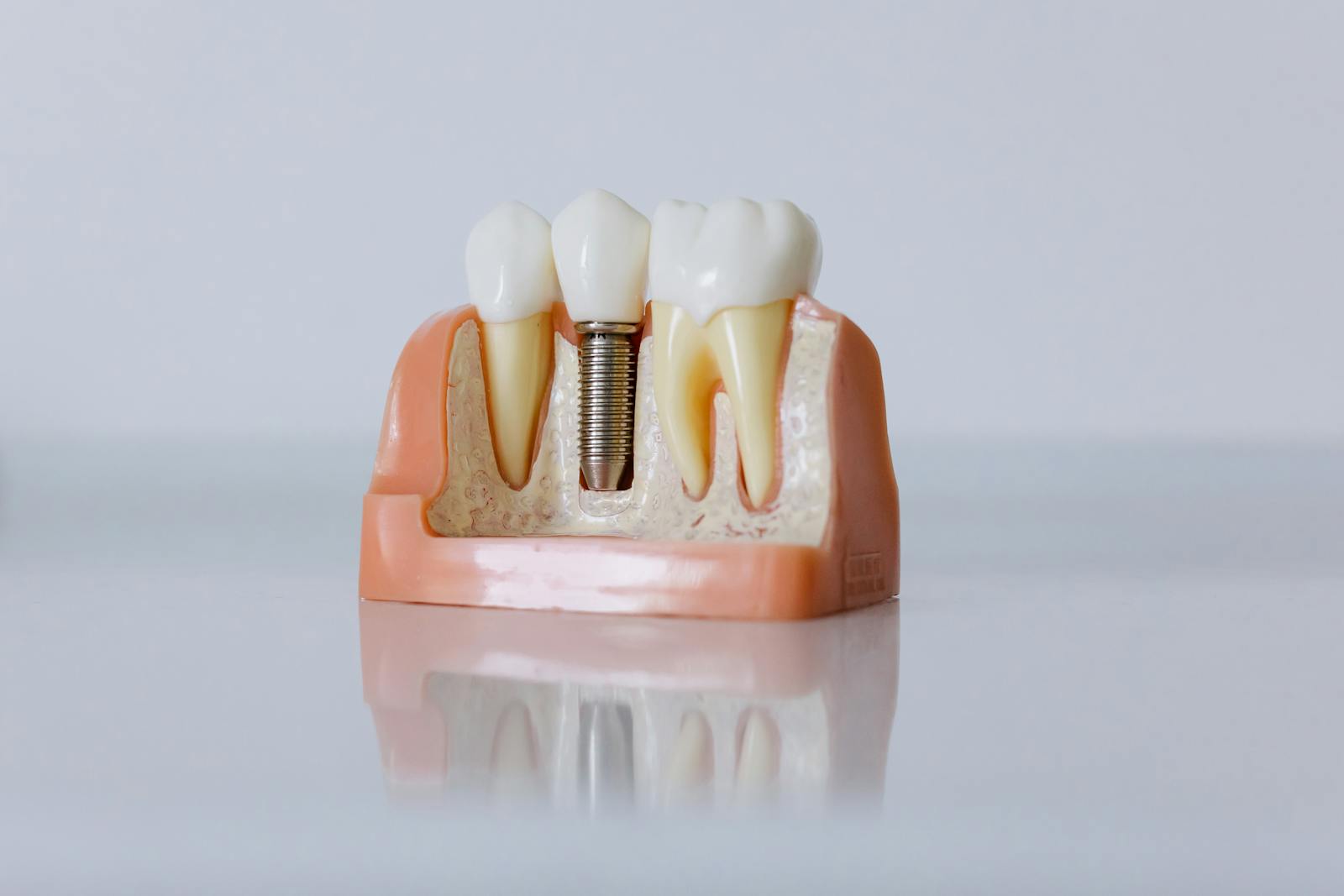
Dental implants are the gold standard for replacing missing teeth — but a successful implant depends on something you cannot see: healthy jawbone. At Pikes Peak Periodontics in Colorado Springs, Dr. Ursula M. Price helps patients build and protect the bone that implants rely on.
How Bone Loss Happens
Your jawbone stays strong because it is stimulated every time you chew. When a tooth is lost, that stimulation disappears, and the bone in that area gradually shrinks — a process called resorption. Gum disease can accelerate bone loss as well. Over time, there may not be enough bone left to securely anchor an implant.
Rebuilding the Foundation
The good news is that lost bone can often be rebuilt. Bone grafting adds material that acts as a scaffold for your body to grow new bone. Depending on where the bone is needed, this may take the form of ridge augmentation to restore the width and height of the jaw, or a sinus augmentation to create room for implants in the upper back jaw.
When a tooth is removed, placing a graft in the socket right away — known as socket preservation — can prevent much of the bone loss before it starts and keep your options open for a future implant.
The Payoff
Investing in your bone health means your implant has a solid, stable foundation, which is the key to an implant that looks natural, functions like a real tooth, and lasts for years. It also helps maintain your facial structure, since significant bone loss can cause a sunken appearance over time.
Thinking about dental implants, or worried about bone loss after a missing tooth? Call Pikes Peak Periodontics at (719) 548-1711 or request an appointment in Colorado Springs to discuss your options with Dr. Price.